Understanding the Role of a Commercial General Contractor in Achieving Superior Building Outcomes
A commercial general contractor is vital in the construction industry. They make certain projects finish promptly and affordably. Their role involves handling complex schedules and organizing numerous stakeholders. This integration is essential for upholding safety and quality benchmarks. Understanding their responsibilities clarifies their influence over building achievements. What precise approaches do they utilize to navigate challenges and deliver successful results?
The Importance of a Commercial General Contractor
Although some may downplay their function, a commercial general contractor is essential to the success of building projects. Acting as the primary point of coordination, these professionals guarantee that various aspects of construction are seamlessly integrated. Their expertise encompasses both project management and strong communication among all parties, including clients, subcontractors, and suppliers. By monitoring resource allocation, budgets, and schedules, they mitigate risks and streamline operations.
Furthermore, commercial general contractors manage complicated legal frameworks, making certain they comply with safety standards and local codes. Their experience in conflict resolution and handling issues is extremely valuable, particularly when unexpected challenges arise during construction. Ultimately, a skilled commercial general contractor encourages cooperation, increases effectiveness, and adds to the total quality of the build. Their pivotal role lays the groundwork for successful outcomes, making them integral to any building endeavor, regardless of scale or complexity.
Key Responsibilities of a Commercial General Contractor
While supervising a construction effort, a commercial general contractor assumes a multitude of key responsibilities that are essential for its success. Primarily, they handle the construction calendar, making certain schedules are followed and that the project progresses as planned. They also oversee budgeting, managing expenses and ensuring resources are allocated efficiently.
In addition, the contractor takes charge of recruiting and coordinating sub-trades, picking suitable specialists for specialized tasks such as piping and wiring tasks. The contractor ensures adherence with local building codes and safety regulations, minimizing potential issues associated with site work.
Furthermore, a commercial general contractor is responsible for acquiring all necessary permissions and licenses to enable the building process. Regular site visits are carried out by the contractor to oversee standards and development, addressing any issues that arise quickly. Their primary responsibility is to make certain that the project meets specifications, is completed on time, and is completed under the allocated funds.
Managing Coordination and Communication in Building Projects
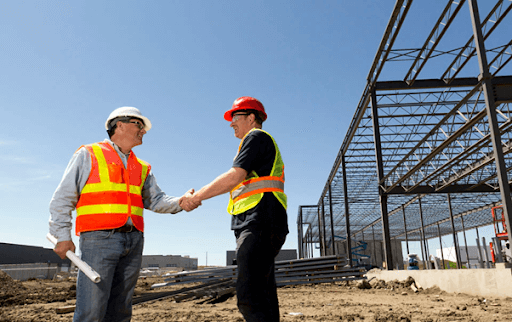
Successful coordination and communication are vital components in the favorable outcome of construction endeavors, as they make certain all participants are on the same page with the project's aims and deadlines. The general contractor is central in making this happen by setting up defined communication channels among subcontractors, suppliers, clients, and architects. The contractor ensures that information regarding project progress, changes, and potential issues are communicated promptly and effectively.
Regular meetings and status reports are integral to this coordination, allowing for the timely resolution of conflicts and the necessary alteration of schedules. The contractor's ability to foster collaboration among diverse teams enhances overall project efficiency and minimizes misunderstandings. Furthermore, utilizing project management technologies and tools can make communication more efficient, guaranteeing everyone can view to the most current information. In the end, good coordination and clear communication result in better project results and stakeholder satisfaction in the construction industry.
Financial Oversight and Budget Control
Financial oversight and budget control are vital to the successful execution of construction projects, ensuring that resources are allocated efficiently and costs are controlled. The general contractor is instrumental in this process by developing detailed budgets based on client expectations and the project's scope. They monitor expenditures throughout the project lifecycle, spotting deviations and making necessary adjustments to avoid overruns.
The contractor also collaborates with subcontractors and suppliers to negotiate contracts, guaranteeing fair pricing while maintaining quality standards. Routine financial reports and projections enable stakeholders to be kept up-to-date and take prompt action. Through the use of strict financial oversight, the contractor reduces potential issues associated with unexpected costs, keeping the project financially sound. Fundamentally, sound financial control and budget administration boost the likelihood of project success but also foster trust between clients and contractors, ensuring projects are completed successfully.
Guaranteeing Standards of Safety and Quality
Rigorous adherence to safety and quality requirements is vital in the building sector, where the stakes are high and the margins for discover the information error are slim. Commercial general contractors play a pivotal role in establishing strict safety guidelines and quality assurance measures from start to finish. They are responsible for adhering to best practices, local regulations, and building codes, which helps mitigate risks and boosts the project's overall quality.
To achieve this, contractors often carry out routine site checks, check that safety procedures are followed, and provide ongoing training for workers. Contractors partner with reputable subcontractors and vendors who share a commitment to quality, making sure the work and materials meet required specifications. By fostering a culture of safety and quality, commercial general contractors not only protect their workforce but also improve the lifespan and resilience of the buildings they construct, which yields positive project results and client satisfaction.
Commonly Asked Questions
Which Credentials Should I Seek in a General Contractor?
When hiring a commercial builder, one should consider their experience, references, licenses, portfolio, and insurance coverage - Hickory top rated Commercial General Contractor. Furthermore, strong communication abilities and a proven track record of managing budgets and timelines are essential for successful project delivery
What is the Best Way to Choose the Right Contractor for My Project?
When picking a suitable contractor, one should assess their background, verify past clients, review past projects, confirm licenses and insurance, and ensure open lines of communication. An in-depth interviewing procedure can help assess alignment with project objectives.
What Difficulties Do Commercial General Contractors Often Encounter?
General contractors frequently deal with issues like budget constraints, scheduling conflicts, labor shortages, regulatory compliance, and managing subcontractors. Such problems may affect project quality, costs, and schedules if they are not handled well during the project life cycle.
How Do Contractors Handle Unexpected Issues During Construction?
To handle unexpected construction issues, builders usually rapidly assessing the problem, developing contingency plans, and keeping all parties informed. Hickory top rated Commercial General Contractor. Project members often depend on experience and teamwork to put solutions into place, guaranteeing minimal interference to the project's schedule and cost
What is the Usual Schedule for a Business Construction Project?

The typical timeline for a commercial construction project can range from a few months up to several years, contingent upon factors such as project scope, complexity, permitting processes, and the availability of materials and labor.
Comments on “Onboarding Effective Building Builders Safe”